

Understanding Mahjong: The Ancient Game of Strategy and Skill
Mahjong is a captivating game steeped in tradition and rich cultural significance. Its roots trace back to ancient China, where it evolved into a beloved pastime for many. Today, Mahjong is not only a recreational activity but also a competitive sport, capturing the fascination of players worldwide.
The Origins and History of Mahjong
Mahjong's origins can be linked to the Qing Dynasty in China. Various legends surround its inception, adding a layer of mystique to the game's history. Some stories suggest that Confucius, the renowned philosopher, played a role in its creation, while others attribute its beginnings to fishermen who played a similar tile game. Despite its murky origins, what is clear is the enduring appeal Mahjong has had over the centuries.
The Components of Mahjong
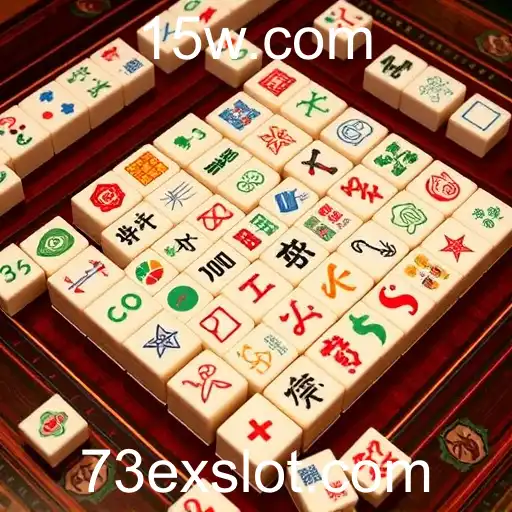
Mahjong is a game played with tiles, each set containing 144 pieces. These tiles are divided into suits and honor tiles, each with distinct markings and purposes. The suits are bamboo, characters, and dots, with honor tiles comprising winds and dragons. Other special tiles include flower and season tiles, adding complexity and variety to the game.
The Rules and Objectives
To play Mahjong, participants aim to form specific combinations known as melds. These include pongs, kongs, and chows, which are sequences or sets of identical tiles. The primary goal is to assemble a complete and legal hand, signifying a winning hand, often referred to as a Mahjong. The standard game traditionally involves four players.
Strategic Depth and Variations
Mahjong is celebrated for its strategic depth, requiring players to employ tactics, memory, and careful planning. Observing opponents' moves, calculating probabilities, and making decisive tile discards are essential skills. Variants of Mahjong exist worldwide, with each version introducing unique rules, tile counts, and scoring systems. Consequently, players enjoy the challenge of mastering different versions.
Mahjong in Modern Times
Today, Mahjong thrives as both a social activity and a professional pursuit. Clubs and associations dedicated to promoting the game exist in numerous countries. Competitive tournaments feature skilled players vying for titles and prizes. Online platforms have also propelled Mahjong into the digital age, making it accessible to a global audience. The keyword 73ex could relate to a specific Mahjong variation or strategy, highlighting the dynamic evolution of this traditional game.
The Cultural Significance of Mahjong
Beyond its gameplay, Mahjong holds cultural significance in many societies. In Asian cultures, it is often associated with family gatherings and bonding. During festive occasions, families reunite to play Mahjong, strengthening societal ties. The game is also portrayed in literature, film, and art, showcasing its influence on cultural expression.
Learning and Mastering Mahjong
For newcomers, learning Mahjong may appear daunting, given its intricate rules and tile combinations. However, many resources, from beginner guides to instructional videos, provide step-by-step assistance. Joining a local club or engaging with online communities can also enhance personal skills and proficiency, allowing players to experience and appreciate this timeless game.
The Future of Mahjong
As technology progresses, the future of Mahjong seems promising. Virtual reality and augmented reality adaptations could transform how the game is played and enjoyed. The integration of AI in Mahjong platforms might further enrich player experiences, offering insights and personalized strategic advice. These advancements promise to bolster the game's appeal among newer generations.
In conclusion, Mahjong stands as a testament to the enduring allure of traditional games. Its intricate strategies, cultural resonance, and adaptability ensure its continued relevance and popularity. Whether played in intimate family settings or competitive arenas, Mahjong remains a captivating blend of skill, luck, and heritage.